My chosen genre for my double page spread is a life style magazine.
The history of lifestyle magazines
Lifestyle magazine is a term for popular magazines to do with lifestyle. They are usually about health, fitness, decorating, culture, tourism, leisure.
Tuesday, 8 March 2016

Monday, 7 March 2016
How to write a Magazine Article
There are several levels of editors at Newspaper and Magazines.
Editor in chief or edits at large- Responsible for the type of content produced by their newspapers or magazines, the look of the product, nature and number of stories/articles to be written.
Managing editor- Works under the most senior editor. Directs writers to particular stories. May write some of the stories. May be responsible for one section of the newspaper/magazine e.g. fashion, business, travel, local news, style, health. May write headlines or may delegate that task to others.
Copy editor- Responsible for checking article facts and ensuring that an article matches in-house style guides. Checks spelling, grammar and punctuation. May suggest word changes to keep the newspaper or magazine from being sued. May arrange layout of articles or sidebars. They may write headlines.
Depending on the size and scope of the publication, a newspaper or magazine editor may perform a combination of the tasks mentioned above. Their job is to see that interesting and informative articles are produced in a timely and accurate manner, with no factual errors and few writing errors.
HOW TO WRITE A MAGAZINE ARTICLE
-editing a magazine articles means you have to proofread, correct and recite it for publication
-you must determine if the article is suitable for the magazines target audience
-it helps to have good writing skills, good news judgement and basics knowledge of English rules and grammar in order to properly edit an article.
Editor in chief or edits at large- Responsible for the type of content produced by their newspapers or magazines, the look of the product, nature and number of stories/articles to be written.
Managing editor- Works under the most senior editor. Directs writers to particular stories. May write some of the stories. May be responsible for one section of the newspaper/magazine e.g. fashion, business, travel, local news, style, health. May write headlines or may delegate that task to others.
Copy editor- Responsible for checking article facts and ensuring that an article matches in-house style guides. Checks spelling, grammar and punctuation. May suggest word changes to keep the newspaper or magazine from being sued. May arrange layout of articles or sidebars. They may write headlines.
Depending on the size and scope of the publication, a newspaper or magazine editor may perform a combination of the tasks mentioned above. Their job is to see that interesting and informative articles are produced in a timely and accurate manner, with no factual errors and few writing errors.
HOW TO WRITE A MAGAZINE ARTICLE
-editing a magazine articles means you have to proofread, correct and recite it for publication
-you must determine if the article is suitable for the magazines target audience
-it helps to have good writing skills, good news judgement and basics knowledge of English rules and grammar in order to properly edit an article.
- read the article, re-read the article if time allows you. determine if the article narrates the scene e.g. location, action and tone of the subject. follow your instinct to determine whether the article will be attractive to your readers
- analyse the article to ensure that the structure flows well together. be sure the overall content is newsworthy and determine whether the writer asked the right questions necessary to tell the story.
- edit the article for any grammatical word choice or spelling errors. rewire some parts of the article as needed. don't take away the meaning of the passage. the goal is to make the article more interesting and easier to read
- cut for length if necessary by eliminating any extra words or fillers that don't have any relevance to the article. discuss the edits with the writer and offer suggestions on how ti improve his/her work
- do some fact-checking by researching the internet or other publications. verify that the sources used in the article are real and not made up. double check that any statists or facts used in the article are accurate
- pass the article to the copy editors if applicable. "they are the last line of defence" in checking for errors in spelling, grammar, factual and statistical errors. prepare to answer any queries that they may have so that you can make the appropriate corrections to the article before sending it for publication
- coordinate with the production or layout team. plan what photos and captions you'd like to use with the article and determine where in the magazine you'd like the article to appear
Thursday, 3 March 2016
UNIT 57: PHOTOGRAPHY- David Bailey Research
David Bailey is a British fashion photographer as well as a portrait photographer. He has worked for British vogue and many other extremely famous and well known places and people such as the Beatles and the Kray twins. He was born on the 2nd January 1938, was born in Leyton but grew up in East Ham. He is now currently 78 years old and lives in Leytonstone, London. He was brought up in a regular working class family with his mother being a machinist, and his father a tailer. He has been married 3 times before and at now he is with his fourth wife, he has three children who live in London along with Bailey. Back in 1994 he introduced David Bailey Photography which is his own online website which has grown to represent some the most highly well-known and respected clients in the United States. Some of his most famous pieces of work are known as 'Xman' 'Shoe Tongue' 'Poppy Heads' and loads more. Examples of them in order are below. These images below are some of his best work which is why they are very famous. However, personally the first 2 images are a bit odd and do not appeal to me as interesting. Yet the last photo of 'Poppy Heads' is quite amusing and intriguing. In his early years he developed a love for natural history and that is what led to his photography. Bailey has dyslexia and motor skill disorder dyspraxia which caused him problems in school but he left school on his 15th birthday and became a copy boy at Fleet Street offices of the Yorkshire Post. He got called up for the National Service in 1956 and he had a trumpet which influenced me to buy a Rolleiflex camera. In 1958 when he was demobbed from the National Service, he decided to pursue a career in photography and brought himself a Canon rangefinder camera. He applied for aa place at London College of Printing but he didn't get in because of his previous school record so he became a second assistant in Charlotte Mews, however later on he got an interview with photographer John French.


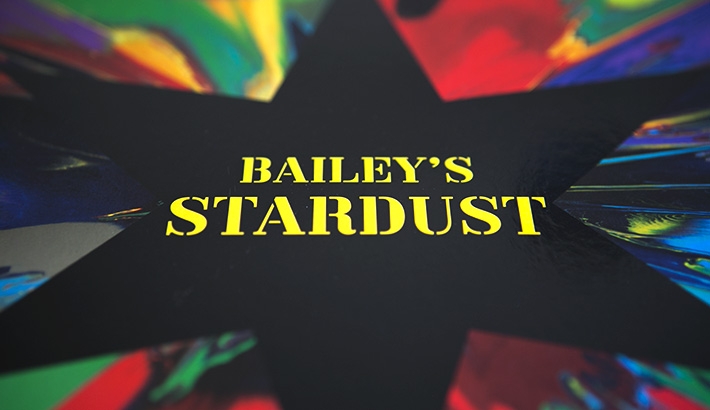
Fashion played a big part in influencing David to become a photographer, this is because he began working with Jaeger in the late 1950s and other fashion photographers e.g. Norman Parkinson and therefore in 1962 he became commissioned by Vogue. He has a passion and a love for Picasso's work and get inspired from him, also he is really fond of Marcel Duchamp's work. Below is one of Picasso's paintings which is of flowers, David got inspiration from this photo and incorporated some of his style and work into Baileys 'Poppy Heads' work. Below is an image of Marcel Duchamp's work which has additionally inspired Bailey. Bailey has been dazzled by a few books, two of his favourite are 'Kim' by Rudyard Kipling and 'Delacroix's journal', however 'Delacroix's journal' made him realise that things are the same as they have always been and always will be the same e.g. people will still be grumpy and people will still graffiti beautiful landmarks and buildings. Bailey's works of art are located and placed in some of the most amazing art museums e.g. Tate Modern, Victoria and Albert Museum, Show Studio, Moderna Museet, Fahey Klein Gallery, Bonhams London and frequent other museums. In various places like the National Gallery, Milan Museum, Tate Modern, National Portrait Gallery etc Bailey's work is presented through his exhibition called 'Stardust'. When Bailey was asked about his technique for his 'Baileys Democracy' nude project he voiced that "All that worrying about pony lighting, making people look like landscapes or rocks. If i wanted to photograph a f**king rock, I'd photograph a f**king rock". He commonly uses white background's, although this isn't original as Cecil Beaton and Richard Avedon use them frequently but Bailey was the one who really started this trend in 1965 for his 'Box Of Pin Ups' project where he mixed white background with harsh lighting, high contrast painting and tonal confining to give a sharp edge to his images. He stripped his backgrounded the isolate his subjects in the images, cropping them to tight compositions at times. His background and upbringing could effect and play a role in the development of his photographic emotion here. When Bailey takes his images he initially spends around 30 minutes engaging with his capturers and talks to them about general life and gets to know them and then only takes about 5 minutes to take the photo. He does this so he gets to know the individuals story and so he can capture the image but so it tells a story as well.


My chosen photographer who really caught my eye the first time i saw his images and who is one of my favourite photographers has got to be: Martin Parr because of his use of radiant colours, lively and animated photos. I love the way that his images are young and colourful and give some illusion of pop art because of his bold contrast of colour against dull backgrounds. All his images speak to me and tell a story, none are dull and use gloomy, ghastly colours which is why i like Parr's images. He is a British documentary photographer, phonebook collector and photojournalist although, he is really known for his photographic projects that take an intimate literal, intimate and anthropological look of modern life. He has documented in particular the wealth of the Western world and the social classes of England. His dominant projects have been: The Cost of Living, The Last Resort, Small World and Common Sense. Martin is a member of 'Magnum Photos' and has been since 1994, he has featured in about 80 exhibitions worldwide and has had about 40 solo photo-books published. Parr's aesthetic is close up and looks through micro lens to explore saturated colour.


These photographs by Martin Parr stand out because of these exquisite use of luminous and florescent colours. These 6 are my favourite because they each tell a story and are all marking something to do with Britain or Italy. Parr's image are usually cultural e.g. The Leaning Tower of Piza, The British Flag in a vast majority of images, British swimming trunks, The Sun newspaper. The majority of his images are based on a beach or near the sea side capturing sunbathers and nude shots of people on the beach or children playing in the sun. Almost all his beach images show a bright sunny day in the background with only a few clouds which emphasis Parr's mood and emotion. Likewise, Parr does photograph in black and white like Bailey does and yet both photographers tell a story through there b&w images. As well as both using b&w images, Parr uses a similar style to Bailey in the sense that they both use bright colours to enhance and contrast what would be a plain and dull image. However, the image below makes me feel dull and boring and doesn't tell a story. Its very simple and plain and maybe should include a British flag tea cloth or a British flag coming out of the bread as this is what would make it seem like a Martin Parr photograph, yet it doesn't have an of Parr's style incorporated into it.


Fashion played a big part in influencing David to become a photographer, this is because he began working with Jaeger in the late 1950s and other fashion photographers e.g. Norman Parkinson and therefore in 1962 he became commissioned by Vogue. He has a passion and a love for Picasso's work and get inspired from him, also he is really fond of Marcel Duchamp's work. Below is one of Picasso's paintings which is of flowers, David got inspiration from this photo and incorporated some of his style and work into Baileys 'Poppy Heads' work. Below is an image of Marcel Duchamp's work which has additionally inspired Bailey. Bailey has been dazzled by a few books, two of his favourite are 'Kim' by Rudyard Kipling and 'Delacroix's journal', however 'Delacroix's journal' made him realise that things are the same as they have always been and always will be the same e.g. people will still be grumpy and people will still graffiti beautiful landmarks and buildings. Bailey's works of art are located and placed in some of the most amazing art museums e.g. Tate Modern, Victoria and Albert Museum, Show Studio, Moderna Museet, Fahey Klein Gallery, Bonhams London and frequent other museums. In various places like the National Gallery, Milan Museum, Tate Modern, National Portrait Gallery etc Bailey's work is presented through his exhibition called 'Stardust'. When Bailey was asked about his technique for his 'Baileys Democracy' nude project he voiced that "All that worrying about pony lighting, making people look like landscapes or rocks. If i wanted to photograph a f**king rock, I'd photograph a f**king rock". He commonly uses white background's, although this isn't original as Cecil Beaton and Richard Avedon use them frequently but Bailey was the one who really started this trend in 1965 for his 'Box Of Pin Ups' project where he mixed white background with harsh lighting, high contrast painting and tonal confining to give a sharp edge to his images. He stripped his backgrounded the isolate his subjects in the images, cropping them to tight compositions at times. His background and upbringing could effect and play a role in the development of his photographic emotion here. When Bailey takes his images he initially spends around 30 minutes engaging with his capturers and talks to them about general life and gets to know them and then only takes about 5 minutes to take the photo. He does this so he gets to know the individuals story and so he can capture the image but so it tells a story as well.


My chosen photographer who really caught my eye the first time i saw his images and who is one of my favourite photographers has got to be: Martin Parr because of his use of radiant colours, lively and animated photos. I love the way that his images are young and colourful and give some illusion of pop art because of his bold contrast of colour against dull backgrounds. All his images speak to me and tell a story, none are dull and use gloomy, ghastly colours which is why i like Parr's images. He is a British documentary photographer, phonebook collector and photojournalist although, he is really known for his photographic projects that take an intimate literal, intimate and anthropological look of modern life. He has documented in particular the wealth of the Western world and the social classes of England. His dominant projects have been: The Cost of Living, The Last Resort, Small World and Common Sense. Martin is a member of 'Magnum Photos' and has been since 1994, he has featured in about 80 exhibitions worldwide and has had about 40 solo photo-books published. Parr's aesthetic is close up and looks through micro lens to explore saturated colour.
These photographs by Martin Parr stand out because of these exquisite use of luminous and florescent colours. These 6 are my favourite because they each tell a story and are all marking something to do with Britain or Italy. Parr's image are usually cultural e.g. The Leaning Tower of Piza, The British Flag in a vast majority of images, British swimming trunks, The Sun newspaper. The majority of his images are based on a beach or near the sea side capturing sunbathers and nude shots of people on the beach or children playing in the sun. Almost all his beach images show a bright sunny day in the background with only a few clouds which emphasis Parr's mood and emotion. Likewise, Parr does photograph in black and white like Bailey does and yet both photographers tell a story through there b&w images. As well as both using b&w images, Parr uses a similar style to Bailey in the sense that they both use bright colours to enhance and contrast what would be a plain and dull image. However, the image below makes me feel dull and boring and doesn't tell a story. Its very simple and plain and maybe should include a British flag tea cloth or a British flag coming out of the bread as this is what would make it seem like a Martin Parr photograph, yet it doesn't have an of Parr's style incorporated into it.

Tuesday, 1 March 2016
Audience Profile
This is an example of an audience profile and in which you include stuff like;


This is my audience profile for a double page spread in my chosen music magazine.
We were asked to analyse a double page spread of an existing magazine and write and label all the conventions that are used in a magazine. From doing this i learnt in detail all the different conventions in detail, why we use them and their purpose. By doing this i think i will benefit from it in the future and it will help me a lot when it comes to the assignment because i now know a lot more about double page spread conventions that i didn't know before doing this e.g. i did not know that the end symbol was called an end blob and now i know i have to include it in my magazine and specifically use a colour to suit the double page spread.
Who mainly listens to that music- Teens, young adults and mid 20 year olds who enjoy listening and reading about music, celebrity gossip
Gender- Can be either men or women as music is a bisexual genre
Age- 16-26
Social class- Middle to higher class people
Ethnicity- Any ethnicity
Interest- People who have an interest in music, celebrities, fashion etc
Dress sense- Anyone with a good and trendy dress sense
Why they listen to rock/indie/music?- They enjoy this type of music
How often they listen to music- Quite often because they would have to be quite interested in it to read a whole magazine on it
What they would like to see in magazines- Articles about music artists, information about the latest new songs, new songs, fashion tips on how to dress like an artist etc


This is my audience profile for a double page spread in my chosen music magazine.
We were asked to analyse a double page spread of an existing magazine and write and label all the conventions that are used in a magazine. From doing this i learnt in detail all the different conventions in detail, why we use them and their purpose. By doing this i think i will benefit from it in the future and it will help me a lot when it comes to the assignment because i now know a lot more about double page spread conventions that i didn't know before doing this e.g. i did not know that the end symbol was called an end blob and now i know i have to include it in my magazine and specifically use a colour to suit the double page spread.
Who mainly listens to that music- Teens, young adults and mid 20 year olds who enjoy listening and reading about music, celebrity gossip
Gender- Can be either men or women as music is a bisexual genre
Age- 16-26
Social class- Middle to higher class people
Ethnicity- Any ethnicity
Interest- People who have an interest in music, celebrities, fashion etc
Dress sense- Anyone with a good and trendy dress sense
Why they listen to rock/indie/music?- They enjoy this type of music
How often they listen to music- Quite often because they would have to be quite interested in it to read a whole magazine on it
What they would like to see in magazines- Articles about music artists, information about the latest new songs, new songs, fashion tips on how to dress like an artist etc
Monday, 29 February 2016
Magazine Conventions- Double Page Spread
Body Copy
-main story of the article on the page
-article with someone
-historical information
Byline
-it is the name of the person writing the article
-usually highlighted in a different colour
Caption
-accompanies the photos on the page
-small detail about the photo e.g. who its of, who took the photo, what year
Drop cap
-capital letter is larger than the body which indicates where the text starts
Gutter
-space between the diff columns of writings
Header
-text at the top of the page
-usually in bold large font
-usually use quote 'further on...' and words of an interview to get you to read on
-e.g. 'THIS COULD GO EITHER WAY....!'
Pagenation
-page numbers
-usually on bottom right hand corner
Pull quote
-short phrase or sentence taken from text and enlarged in a shape
-e.g. "We'll win... -Matt Smith"
Standfirst
-basic introduction to the story
-small paragraph telling you what is coming in the interview or article
-usually in a different font
Main image
-usually take up one whole page of a double page spread
-something to do with the text
Images
-images of relevant photos to do with the text
-supporting images to the main image
End blob
-a symbol used to end the article
-e.g. <>, <>
-main story of the article on the page
-article with someone
-historical information
Byline
-it is the name of the person writing the article
-usually highlighted in a different colour
Caption
-accompanies the photos on the page
-small detail about the photo e.g. who its of, who took the photo, what year
Drop cap
-capital letter is larger than the body which indicates where the text starts
Gutter
-space between the diff columns of writings
Header
-text at the top of the page
-usually in bold large font
-usually use quote 'further on...' and words of an interview to get you to read on
-e.g. 'THIS COULD GO EITHER WAY....!'
Pagenation
-page numbers
-usually on bottom right hand corner
Pull quote
-short phrase or sentence taken from text and enlarged in a shape
-e.g. "We'll win... -Matt Smith"
Standfirst
-basic introduction to the story
-small paragraph telling you what is coming in the interview or article
-usually in a different font
Main image
-usually take up one whole page of a double page spread
-something to do with the text
Images
-images of relevant photos to do with the text
-supporting images to the main image
End blob
-a symbol used to end the article
-e.g. <>, <>
Thursday, 25 February 2016
UNIT 57: PHOTOGRAPHY- Photojournalism and Don McCullin
Why is photojournalism so important?
Photo's summarise what has been written in an article. By doing so newspaper reading and news watching becomes more effective as this makes the reader relate better to real life situations and understand completely what ur reading. it is also good for people who do not have time or find it difficult to read a magazine cover by cover. Photo's speak louder than words.
Furthermore, photo's are unbiased and readers are left to make their own decisions on what the truth is. A photojournalist's job is o tell a story with photos and the goal is to tell the truth through the images the artist captures with the camera. A photographer doesn't just capture a news event or a few photos, they highlight the important issues and the most effective things.
Positives of photojournalism-
Don McCullin
He is a war photographer and is known worldwide for his fantastic works of art.
From watching the documentary (https://www.youtube.com/watch?v=ILB2ALJbd6c)
i have gathered that by photographing graphic events it can be very emotional and hard at times as you have to see and capture the hardest moments of the events and they can be extremely shocking and touching sometimes. It can make artists become schizophrenia and it risks their lives trying to catch the events of dead people, massive graphic events. I think people should have the right to photograph historical and graphic events because it doesn't necessarily mean they agree with whats happening or what they see, yet it makes awareness and it shows the world what is actually happening before its too late and if nothing was captured and kept for history the next generations would not be aware of what graphic events have previously happened and how the world can be disgraceful, horrifying and shameful. I don't think theirs a right or wrong thing to be photographed as you cant really tell, it depends on the situation and how the photographer feels is appropriate to be filmed. For example, if a person got run over and a photographer noticed and decides to take a photo of it to show this event for the media instead of think to get involved and help then in my opinion the photographer is wrong and it i not an appropriate time to take a photo. However if there are children in Africa being starved and the results of those children are destroying then the photographer has a right to capture the events of these children to raise awareness and show the world what is happening to try and stop these terrible things. From the documentary you can hear that McCulin got accused of taking terrible photographs and people accusing him of not helping anyone however he says he did help a lot of the time but he just dint brag about it, it was something he naturally did to help him clear his own conscious and make himself feel less guilty. Photographers sometimes find it hard to see and capture deaths and people injured that they break down and it is draining and extremely hard for them. It got to a point where it wasn't about Photography anymore, it was about humanity. However, it can be hard, photographers get inspired by some people they photograph and they help and get to know them really well. Don became almost paralysed by the shock of children being starved and struggling to stand and some dying in front of him. Being a photographer off graphic events put you through it and lets you see everything people go through, some being the last minutes of their lives.


Photo's summarise what has been written in an article. By doing so newspaper reading and news watching becomes more effective as this makes the reader relate better to real life situations and understand completely what ur reading. it is also good for people who do not have time or find it difficult to read a magazine cover by cover. Photo's speak louder than words.
Furthermore, photo's are unbiased and readers are left to make their own decisions on what the truth is. A photojournalist's job is o tell a story with photos and the goal is to tell the truth through the images the artist captures with the camera. A photographer doesn't just capture a news event or a few photos, they highlight the important issues and the most effective things.
Positives of photojournalism-
- The photographers see something different every single day
- You can be creative and do what you love as job
- Photojournalism is full of supportive and wonderful people
- You get to make a difference in peoples lives
Negatives of photojournalism-
- Carrying a lot of equipment is hard
- Sometimes the footage is shocking and horrific
- Its a very competitive field meaning you have to capture the best photo
Don McCullin
He is a war photographer and is known worldwide for his fantastic works of art.
From watching the documentary (https://www.youtube.com/watch?v=ILB2ALJbd6c)
i have gathered that by photographing graphic events it can be very emotional and hard at times as you have to see and capture the hardest moments of the events and they can be extremely shocking and touching sometimes. It can make artists become schizophrenia and it risks their lives trying to catch the events of dead people, massive graphic events. I think people should have the right to photograph historical and graphic events because it doesn't necessarily mean they agree with whats happening or what they see, yet it makes awareness and it shows the world what is actually happening before its too late and if nothing was captured and kept for history the next generations would not be aware of what graphic events have previously happened and how the world can be disgraceful, horrifying and shameful. I don't think theirs a right or wrong thing to be photographed as you cant really tell, it depends on the situation and how the photographer feels is appropriate to be filmed. For example, if a person got run over and a photographer noticed and decides to take a photo of it to show this event for the media instead of think to get involved and help then in my opinion the photographer is wrong and it i not an appropriate time to take a photo. However if there are children in Africa being starved and the results of those children are destroying then the photographer has a right to capture the events of these children to raise awareness and show the world what is happening to try and stop these terrible things. From the documentary you can hear that McCulin got accused of taking terrible photographs and people accusing him of not helping anyone however he says he did help a lot of the time but he just dint brag about it, it was something he naturally did to help him clear his own conscious and make himself feel less guilty. Photographers sometimes find it hard to see and capture deaths and people injured that they break down and it is draining and extremely hard for them. It got to a point where it wasn't about Photography anymore, it was about humanity. However, it can be hard, photographers get inspired by some people they photograph and they help and get to know them really well. Don became almost paralysed by the shock of children being starved and struggling to stand and some dying in front of him. Being a photographer off graphic events put you through it and lets you see everything people go through, some being the last minutes of their lives.
UNIT 57: PHOTOGRAPHY- History of photography
The History of Photography
The word photography derives from the Greek words 'photos' which means light and graphien (to draw)
1800- Thomas Wedgwood made the first documented unsuccessful camera attempt
1820- Nicephore Niepce succeeded yet the results weren't that good
1839- Louis Daguerre developed the 'daguerreotype' process which was the first photographic process. It produced clear photos and only required a few minutes of exposure
1839- Photography was first used by Sir Jon Herschel
1988- Fuji became the first digital camera that could capture images as a computerised file

This is the first photograph produced by the Getty Conservation Institute in 2002
What is photography used for?
-We use photography in different ways such as; snapchat, selfies, instagram, phone camera, Facebook, twitter, we<3it, google images, magazines
-We take photos for; historical purpose, evidence, memory, pleasure
-Other attractions? Kept digitally, reproduced, instant memory, easily shared, widely shared, its the real thing
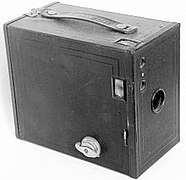
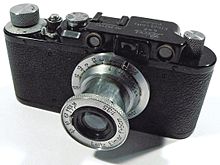
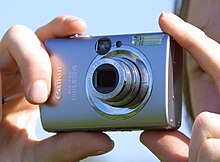
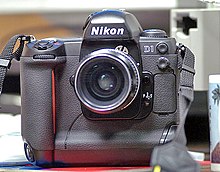
Evolution of the camera



The word photography derives from the Greek words 'photos' which means light and graphien (to draw)
1800- Thomas Wedgwood made the first documented unsuccessful camera attempt
1820- Nicephore Niepce succeeded yet the results weren't that good
1839- Louis Daguerre developed the 'daguerreotype' process which was the first photographic process. It produced clear photos and only required a few minutes of exposure
1839- Photography was first used by Sir Jon Herschel
1988- Fuji became the first digital camera that could capture images as a computerised file
This is the first photograph produced by the Getty Conservation Institute in 2002
What is photography used for?
-We use photography in different ways such as; snapchat, selfies, instagram, phone camera, Facebook, twitter, we<3it, google images, magazines
-We take photos for; historical purpose, evidence, memory, pleasure
-Other attractions? Kept digitally, reproduced, instant memory, easily shared, widely shared, its the real thing
Evolution of the camera
Subscribe to:
Posts (Atom)