Body Copy
-main story of the article on the page
-article with someone
-historical information
Byline
-it is the name of the person writing the article
-usually highlighted in a different colour
Caption
-accompanies the photos on the page
-small detail about the photo e.g. who its of, who took the photo, what year
Drop cap
-capital letter is larger than the body which indicates where the text starts
Gutter
-space between the diff columns of writings
Header
-text at the top of the page
-usually in bold large font
-usually use quote 'further on...' and words of an interview to get you to read on
-e.g. 'THIS COULD GO EITHER WAY....!'
Pagenation
-page numbers
-usually on bottom right hand corner
Pull quote
-short phrase or sentence taken from text and enlarged in a shape
-e.g. "We'll win... -Matt Smith"
Standfirst
-basic introduction to the story
-small paragraph telling you what is coming in the interview or article
-usually in a different font
Main image
-usually take up one whole page of a double page spread
-something to do with the text
Images
-images of relevant photos to do with the text
-supporting images to the main image
End blob
-a symbol used to end the article
-e.g. <>, <>
Monday, 29 February 2016

Thursday, 25 February 2016
UNIT 57: PHOTOGRAPHY- Photojournalism and Don McCullin
Why is photojournalism so important?
Photo's summarise what has been written in an article. By doing so newspaper reading and news watching becomes more effective as this makes the reader relate better to real life situations and understand completely what ur reading. it is also good for people who do not have time or find it difficult to read a magazine cover by cover. Photo's speak louder than words.
Furthermore, photo's are unbiased and readers are left to make their own decisions on what the truth is. A photojournalist's job is o tell a story with photos and the goal is to tell the truth through the images the artist captures with the camera. A photographer doesn't just capture a news event or a few photos, they highlight the important issues and the most effective things.
Positives of photojournalism-
Don McCullin
He is a war photographer and is known worldwide for his fantastic works of art.
From watching the documentary (https://www.youtube.com/watch?v=ILB2ALJbd6c)
i have gathered that by photographing graphic events it can be very emotional and hard at times as you have to see and capture the hardest moments of the events and they can be extremely shocking and touching sometimes. It can make artists become schizophrenia and it risks their lives trying to catch the events of dead people, massive graphic events. I think people should have the right to photograph historical and graphic events because it doesn't necessarily mean they agree with whats happening or what they see, yet it makes awareness and it shows the world what is actually happening before its too late and if nothing was captured and kept for history the next generations would not be aware of what graphic events have previously happened and how the world can be disgraceful, horrifying and shameful. I don't think theirs a right or wrong thing to be photographed as you cant really tell, it depends on the situation and how the photographer feels is appropriate to be filmed. For example, if a person got run over and a photographer noticed and decides to take a photo of it to show this event for the media instead of think to get involved and help then in my opinion the photographer is wrong and it i not an appropriate time to take a photo. However if there are children in Africa being starved and the results of those children are destroying then the photographer has a right to capture the events of these children to raise awareness and show the world what is happening to try and stop these terrible things. From the documentary you can hear that McCulin got accused of taking terrible photographs and people accusing him of not helping anyone however he says he did help a lot of the time but he just dint brag about it, it was something he naturally did to help him clear his own conscious and make himself feel less guilty. Photographers sometimes find it hard to see and capture deaths and people injured that they break down and it is draining and extremely hard for them. It got to a point where it wasn't about Photography anymore, it was about humanity. However, it can be hard, photographers get inspired by some people they photograph and they help and get to know them really well. Don became almost paralysed by the shock of children being starved and struggling to stand and some dying in front of him. Being a photographer off graphic events put you through it and lets you see everything people go through, some being the last minutes of their lives.


Photo's summarise what has been written in an article. By doing so newspaper reading and news watching becomes more effective as this makes the reader relate better to real life situations and understand completely what ur reading. it is also good for people who do not have time or find it difficult to read a magazine cover by cover. Photo's speak louder than words.
Furthermore, photo's are unbiased and readers are left to make their own decisions on what the truth is. A photojournalist's job is o tell a story with photos and the goal is to tell the truth through the images the artist captures with the camera. A photographer doesn't just capture a news event or a few photos, they highlight the important issues and the most effective things.
Positives of photojournalism-
- The photographers see something different every single day
- You can be creative and do what you love as job
- Photojournalism is full of supportive and wonderful people
- You get to make a difference in peoples lives
Negatives of photojournalism-
- Carrying a lot of equipment is hard
- Sometimes the footage is shocking and horrific
- Its a very competitive field meaning you have to capture the best photo
Don McCullin
He is a war photographer and is known worldwide for his fantastic works of art.
From watching the documentary (https://www.youtube.com/watch?v=ILB2ALJbd6c)
i have gathered that by photographing graphic events it can be very emotional and hard at times as you have to see and capture the hardest moments of the events and they can be extremely shocking and touching sometimes. It can make artists become schizophrenia and it risks their lives trying to catch the events of dead people, massive graphic events. I think people should have the right to photograph historical and graphic events because it doesn't necessarily mean they agree with whats happening or what they see, yet it makes awareness and it shows the world what is actually happening before its too late and if nothing was captured and kept for history the next generations would not be aware of what graphic events have previously happened and how the world can be disgraceful, horrifying and shameful. I don't think theirs a right or wrong thing to be photographed as you cant really tell, it depends on the situation and how the photographer feels is appropriate to be filmed. For example, if a person got run over and a photographer noticed and decides to take a photo of it to show this event for the media instead of think to get involved and help then in my opinion the photographer is wrong and it i not an appropriate time to take a photo. However if there are children in Africa being starved and the results of those children are destroying then the photographer has a right to capture the events of these children to raise awareness and show the world what is happening to try and stop these terrible things. From the documentary you can hear that McCulin got accused of taking terrible photographs and people accusing him of not helping anyone however he says he did help a lot of the time but he just dint brag about it, it was something he naturally did to help him clear his own conscious and make himself feel less guilty. Photographers sometimes find it hard to see and capture deaths and people injured that they break down and it is draining and extremely hard for them. It got to a point where it wasn't about Photography anymore, it was about humanity. However, it can be hard, photographers get inspired by some people they photograph and they help and get to know them really well. Don became almost paralysed by the shock of children being starved and struggling to stand and some dying in front of him. Being a photographer off graphic events put you through it and lets you see everything people go through, some being the last minutes of their lives.
UNIT 57: PHOTOGRAPHY- History of photography
The History of Photography
The word photography derives from the Greek words 'photos' which means light and graphien (to draw)
1800- Thomas Wedgwood made the first documented unsuccessful camera attempt
1820- Nicephore Niepce succeeded yet the results weren't that good
1839- Louis Daguerre developed the 'daguerreotype' process which was the first photographic process. It produced clear photos and only required a few minutes of exposure
1839- Photography was first used by Sir Jon Herschel
1988- Fuji became the first digital camera that could capture images as a computerised file

This is the first photograph produced by the Getty Conservation Institute in 2002
What is photography used for?
-We use photography in different ways such as; snapchat, selfies, instagram, phone camera, Facebook, twitter, we<3it, google images, magazines
-We take photos for; historical purpose, evidence, memory, pleasure
-Other attractions? Kept digitally, reproduced, instant memory, easily shared, widely shared, its the real thing
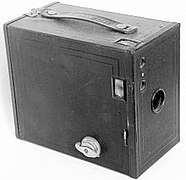
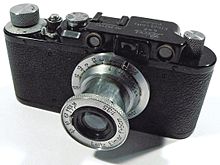
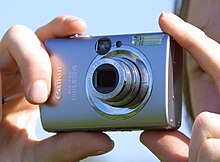
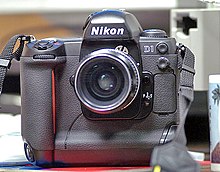
Evolution of the camera



The word photography derives from the Greek words 'photos' which means light and graphien (to draw)
1800- Thomas Wedgwood made the first documented unsuccessful camera attempt
1820- Nicephore Niepce succeeded yet the results weren't that good
1839- Louis Daguerre developed the 'daguerreotype' process which was the first photographic process. It produced clear photos and only required a few minutes of exposure
1839- Photography was first used by Sir Jon Herschel
1988- Fuji became the first digital camera that could capture images as a computerised file
This is the first photograph produced by the Getty Conservation Institute in 2002
What is photography used for?
-We use photography in different ways such as; snapchat, selfies, instagram, phone camera, Facebook, twitter, we<3it, google images, magazines
-We take photos for; historical purpose, evidence, memory, pleasure
-Other attractions? Kept digitally, reproduced, instant memory, easily shared, widely shared, its the real thing
Evolution of the camera
Thursday, 4 February 2016
Photographer Research
Don Mcculin
-He is a photographer who photographs imagery of war therefore, he is a war photographer
-He is a photojournalist
-Born October 8th 1935 so now he is 80 years old
-He left school at 15 without getting any qualifications
-He then signed up to the national service at the RAF and became a photographic assistant
-He then saved enough money u to buy his first camera which he then took his first published photograph from (Of The Guvners)
-Below are some of Don's photographs which really intrigues me. I like the one on the left because it shows the women emotions deply and i really empathise for her. It is an extremely emotional photo. Secondly, i choose the photo on the right as i like the image because it shows people jumping and leaping for there lives with smoke and people trying to kill them surrounding them whilst they are trying to run away. Its a moving and again, emotional image as it shows war imagery.


David Bailey
-He has shot for various different famous and popular campaigns, such as The Beatles, Vogue Magazine, Twiggy, Jean Shrimpton and others
-Born January 2nd 1938
-He is an English fashion and portrait photographer
-He had dyslexia as well as the motor skill disorder dyspraxia
-He left school on his 15th birthday and became a copy boy at the Fleet Street offices of the Yorkshire Post
-He was called up to the RAF National Service army in 1956, in Singapore in 1957
-He was brought a Rolleiflex camera because he used a trumpet and he wanted to try other creative outlets
-In August 1958 he wanted to pursue a career in photography and brought a Canon rangefinder camera
-1994 David set up David Bailey Photography which grew to become one of the most recognisable clients in the United States
-I choose this photo below on the left because i like the contrast of colours between the back and white and zebra pattern, it stands out and looks cool, quirky and different. Secondly, i choose the image on the right because i like the pose and position the model (Jean Shrimpton) is standing in and i like the way her hair is moving which makes the photo look different and unique compared to a usually posed photograph.


William Eggliston
-He is an American pop art photographer
-He was born July 27th 1939 so now he is aged 76
-He has won many awards such as; Hasselbrand Award, Guggenheim Fellowship for Creative Arts etc
-His work was credited with helping establish colour photography in the late 20th century as a legitimate artistic medium
-At Vanderbilt University he became taking photos after a friend recognised his artistic inclinations
-Hes received the Hasselblad Foundation International Award in Photography in 1998 and a Sony World Photography Award in 2013
-I choose the photo on the left because it interests me as i like the bright sky you can see outside of the plane window along with the red drink the person in the image is drinking, its clearly sunny meaning they are going to a hot country as you can see the shadow on the table of the sun reflecting which makes me think this photos a happy joyful photo. Secondly, i choose the photo on the right because i like how there is a white man and a black man combined in one photo. It shows hows whites and blacks and divided and different and its a very powerful photo as it gives off a powerful message about segregation.


Martin Parr
-He is a british documentary photographer, photojournalist and phonebook collector
-He is known for his photographic projects that taken an intimate satirical and anthropological look at aspects of modern life.
-Since 1994 he has been a member of Magnum Photos and has had around 40 solo phonebooks published and has featured in around 80 exhibitions worldwide
-He wanted to be a documentary photographer from the age of 14 as his grandfather, George Parr is an ameteur photographer
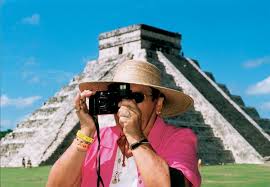
-I choose this image on the left because it is a really cute photo of two young children standing infant of what looks like a beach and the sea in cute outfits, both holding ice creams with messy faces. The photo shows the young children enjoying a day out and enjoy live being young. Secondly, i choose the second photo because it the historical ruin behind the lady is one of the most memorable and amazing buildings left standing from ancient time and the lady/ tourist is taking a photo of what is n the completely opposite side to the historical building and her back is to it. It is a very funny and ironic photo which is why i like it.

-He is a photographer who photographs imagery of war therefore, he is a war photographer
-He is a photojournalist
-Born October 8th 1935 so now he is 80 years old
-He left school at 15 without getting any qualifications
-He then signed up to the national service at the RAF and became a photographic assistant
-He then saved enough money u to buy his first camera which he then took his first published photograph from (Of The Guvners)
-Below are some of Don's photographs which really intrigues me. I like the one on the left because it shows the women emotions deply and i really empathise for her. It is an extremely emotional photo. Secondly, i choose the photo on the right as i like the image because it shows people jumping and leaping for there lives with smoke and people trying to kill them surrounding them whilst they are trying to run away. Its a moving and again, emotional image as it shows war imagery.


David Bailey
-He has shot for various different famous and popular campaigns, such as The Beatles, Vogue Magazine, Twiggy, Jean Shrimpton and others
-Born January 2nd 1938
-He is an English fashion and portrait photographer
-He had dyslexia as well as the motor skill disorder dyspraxia
-He left school on his 15th birthday and became a copy boy at the Fleet Street offices of the Yorkshire Post
-He was called up to the RAF National Service army in 1956, in Singapore in 1957
-He was brought a Rolleiflex camera because he used a trumpet and he wanted to try other creative outlets
-In August 1958 he wanted to pursue a career in photography and brought a Canon rangefinder camera
-1994 David set up David Bailey Photography which grew to become one of the most recognisable clients in the United States
-I choose this photo below on the left because i like the contrast of colours between the back and white and zebra pattern, it stands out and looks cool, quirky and different. Secondly, i choose the image on the right because i like the pose and position the model (Jean Shrimpton) is standing in and i like the way her hair is moving which makes the photo look different and unique compared to a usually posed photograph.


William Eggliston
-He is an American pop art photographer
-He was born July 27th 1939 so now he is aged 76
-He has won many awards such as; Hasselbrand Award, Guggenheim Fellowship for Creative Arts etc
-His work was credited with helping establish colour photography in the late 20th century as a legitimate artistic medium
-At Vanderbilt University he became taking photos after a friend recognised his artistic inclinations
-Hes received the Hasselblad Foundation International Award in Photography in 1998 and a Sony World Photography Award in 2013
-I choose the photo on the left because it interests me as i like the bright sky you can see outside of the plane window along with the red drink the person in the image is drinking, its clearly sunny meaning they are going to a hot country as you can see the shadow on the table of the sun reflecting which makes me think this photos a happy joyful photo. Secondly, i choose the photo on the right because i like how there is a white man and a black man combined in one photo. It shows hows whites and blacks and divided and different and its a very powerful photo as it gives off a powerful message about segregation.

Martin Parr
-He is a british documentary photographer, photojournalist and phonebook collector
-He is known for his photographic projects that taken an intimate satirical and anthropological look at aspects of modern life.
-Since 1994 he has been a member of Magnum Photos and has had around 40 solo phonebooks published and has featured in around 80 exhibitions worldwide
-He wanted to be a documentary photographer from the age of 14 as his grandfather, George Parr is an ameteur photographer
-I choose this image on the left because it is a really cute photo of two young children standing infant of what looks like a beach and the sea in cute outfits, both holding ice creams with messy faces. The photo shows the young children enjoying a day out and enjoy live being young. Secondly, i choose the second photo because it the historical ruin behind the lady is one of the most memorable and amazing buildings left standing from ancient time and the lady/ tourist is taking a photo of what is n the completely opposite side to the historical building and her back is to it. It is a very funny and ironic photo which is why i like it.
Subscribe to:
Comments (Atom)